






Introduction
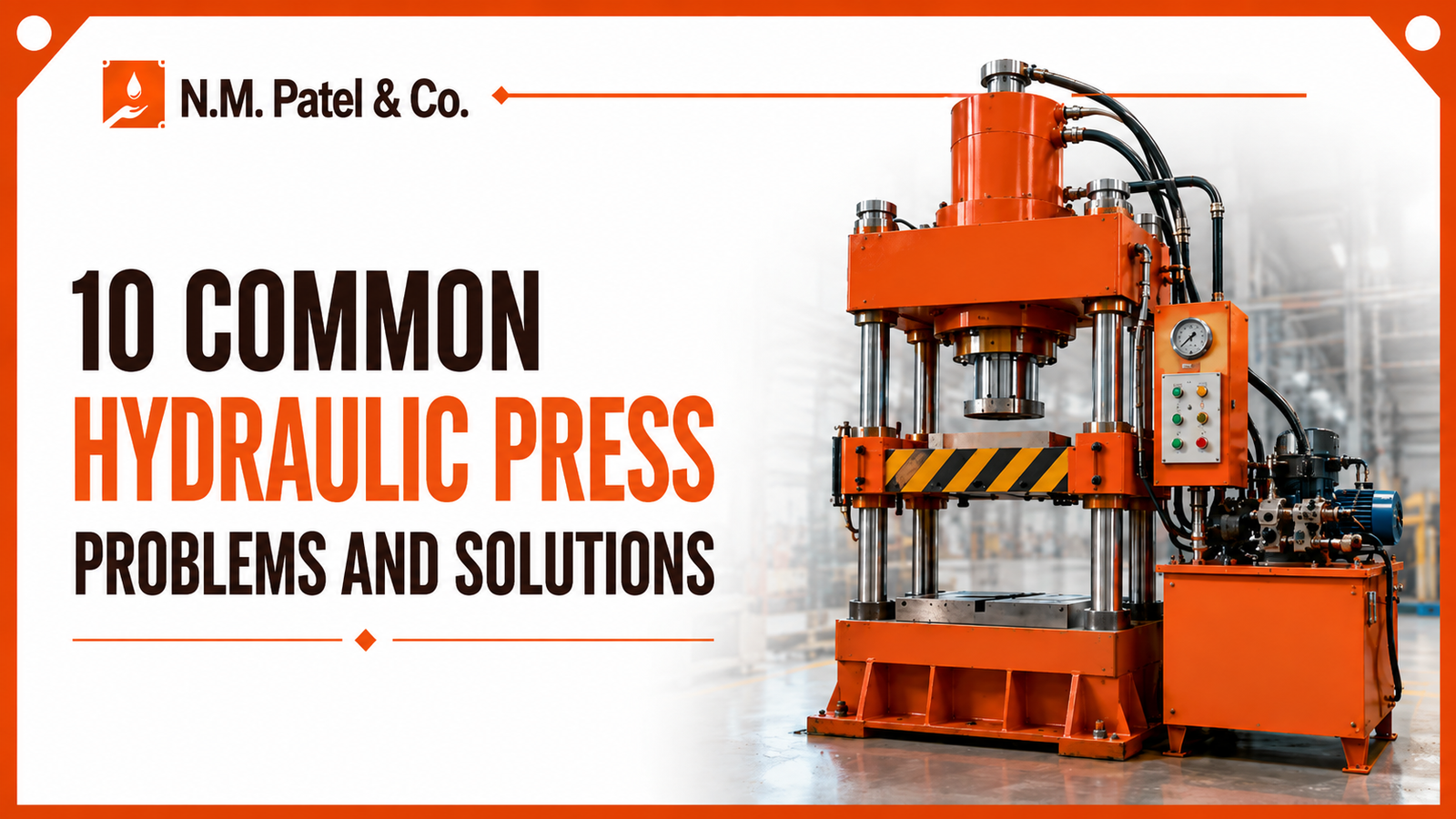
Hydraulic presses are essential machines in industries such as metal fabrication, automotive manufacturing, construction, aerospace, and heavy engineering. Their ability to generate high pressure with precision makes them ideal for forming, pressing, bending, punching, and assembling various materials. However, like any industrial equipment, hydraulic presses can develop operational issues over time due to continuous usage, inadequate maintenance, worn components, or improper operating practices.
Even minor hydraulic problems can affect production efficiency, reduce product quality, increase energy consumption, and lead to unexpected machine downtime. Ignoring early warning signs often results in expensive repairs, delayed production schedules, and reduced equipment lifespan.
Understanding the most common hydraulic press problems and knowing how to resolve them quickly helps manufacturers maintain consistent performance, improve workplace safety, and reduce maintenance costs. A preventive maintenance approach also minimizes unplanned breakdowns and maximizes machine reliability.
In this guide, we’ll discuss the most common hydraulic press problems, their causes, and effective solutions that help keep your equipment operating at peak performance.
Quick Answer
Hydraulic press problems typically result from hydraulic oil contamination, pressure loss, leaking seals, overheating, worn cylinders, faulty valves, or inadequate maintenance. Regular inspections, preventive maintenance, proper lubrication, timely component replacement, and hydraulic system monitoring help prevent breakdowns, improve machine efficiency, and extend equipment life.
Key Takeaways
- Regular maintenance prevents costly breakdowns.
- Clean hydraulic oil improves system performance.
- Early detection reduces repair expenses.
- Proper lubrication extends machine life.
- Pressure monitoring improves operational efficiency.
- Quality replacement parts ensure reliable performance.
- Preventive maintenance minimizes production downtime.
What Is a Hydraulic Press?
Quick Answer
A hydraulic press is an industrial machine that uses hydraulic pressure to generate powerful compressive force for forming, bending, punching, pressing, assembling, and shaping materials with high accuracy and consistent performance.
The machine operates according to Pascal’s Law, where pressure applied to a confined hydraulic fluid is transmitted equally throughout the system.
Hydraulic presses are widely used for:
- Metal forming
- Sheet metal fabrication
- Deep drawing
- Powder compaction
- Assembly operations
- Molding applications
- Automotive manufacturing
- Industrial production
Their versatility makes them indispensable across numerous manufacturing industries.
Why Hydraulic Press Problems Occur
Quick Answer
Most hydraulic press failures occur because of poor maintenance practices, contaminated hydraulic oil, worn mechanical components, improper operating conditions, or delayed servicing. Identifying these issues early helps prevent major equipment failures and production interruptions.
Hydraulic Oil Contamination
Contaminated oil is one of the leading causes of hydraulic system failures.
Common contaminants include:
- Dust
- Metal particles
- Moisture
- Dirt
- Sludge
Dirty hydraulic oil accelerates component wear and reduces system efficiency.
Worn Seals and Components
Over time, continuous operation causes wear in:
- Hydraulic seals
- Cylinders
- Pistons
- Pumps
- Bearings
- Valves
Damaged components often lead to pressure loss and hydraulic leaks.
Excessive Operating Temperatures
High operating temperatures can damage hydraulic oil and reduce lubrication effectiveness.
Excessive heat may result from:
- Overloading
- Poor cooling
- Continuous operation
- Low oil levels
Maintaining proper operating temperatures improves machine reliability.
Improper Machine Operation
Incorrect operating practices may include:
- Exceeding load capacity
- Poor setup
- Incorrect pressure settings
- Inadequate operator training
Proper operating procedures significantly reduce equipment failures.
Lack of Preventive Maintenance
Routine inspections help identify minor issues before they become major repairs.
Skipping maintenance often leads to:
- Unexpected downtime
- Reduced productivity
- Higher repair costs
- Shorter equipment lifespan
Importance of Preventive Maintenance
Quick Answer
Preventive maintenance keeps hydraulic presses operating efficiently by identifying wear, leaks, contamination, and performance issues before they cause major breakdowns. Regular servicing improves machine reliability while reducing operating costs and production downtime.
Improves Equipment Reliability
Routine maintenance ensures every component performs as expected.
Regular inspections reduce unexpected failures and increase production consistency.
Extends Machine Life
Replacing worn components before failure prevents additional damage to expensive hydraulic systems.
Well-maintained machines operate efficiently for many years.
Reduces Production Downtime
Scheduled maintenance minimizes unexpected equipment stoppages that interrupt manufacturing operations.
Reliable equipment supports higher productivity.
Improves Workplace Safety
Faulty hydraulic systems can create serious safety hazards.
Preventive maintenance helps identify:
- Hydraulic leaks
- Pressure abnormalities
- Damaged hoses
- Worn components
- Faulty controls
Safer equipment protects operators and production facilities.
Lowers Maintenance Costs
Small repairs are significantly less expensive than complete hydraulic system failures.
Preventive maintenance reduces long-term operating expenses.
Common Hydraulic Press Problems vs Recommended Solutions
Quick Answer
Most hydraulic press issues can be resolved through regular inspections, proper maintenance, timely replacement of worn components, and correct hydraulic system management. Addressing problems early prevents costly repairs and production delays.
| Common Hydraulic Press Problem | Recommended Solution |
| Low hydraulic pressure | Inspect pump, valves, and hydraulic oil levels |
| Hydraulic oil leakage | Replace damaged seals, hoses, or fittings |
| Overheating | Improve cooling system and check oil quality |
| Slow ram movement | Clean filters and inspect hydraulic pump |
| Excessive machine noise | Check hydraulic pump, bearings, and oil condition |
| Cylinder movement issues | Inspect cylinder seals and piston components |
| Pressure fluctuations | Test pressure relief valves and hydraulic controls |
| Contaminated hydraulic oil | Replace oil and clean hydraulic system |
| Uneven pressing force | Calibrate hydraulic system and inspect cylinders |
| Unexpected machine stoppage | Perform complete hydraulic system diagnostics |
Why This Comparison Matters
Recognizing common hydraulic press problems and applying the correct solution at an early stage helps manufacturers reduce downtime, improve production efficiency, extend machine life, and minimize maintenance costs. A proactive maintenance strategy ensures reliable hydraulic press performance across demanding industrial applications.
10 Common Hydraulic Press Problems and Solutions
Quick Answer
Most hydraulic press failures develop gradually due to wear, contamination, poor maintenance, or improper machine operation. Identifying these issues early and applying the correct corrective measures helps improve equipment reliability, reduce downtime, and extend the service life of hydraulic press machines.
1. Low Hydraulic Pressure
Low pressure is one of the most common hydraulic press issues and often leads to poor machine performance.
Possible Causes
- Low hydraulic oil level
- Worn hydraulic pump
- Pressure relief valve malfunction
- Internal leakage
- Blocked filters
Solution
- Check hydraulic oil level
- Inspect the hydraulic pump
- Test pressure relief valves
- Replace clogged filters
- Repair internal leaks
Maintaining proper system pressure ensures consistent pressing force.
2. Hydraulic Oil Leakage
Quick Answer
Hydraulic oil leaks reduce system pressure, increase operating costs, and create safety hazards. Promptly identifying and repairing leaks prevents equipment damage and maintains efficient machine operation.
Possible Causes
- Damaged seals
- Loose pipe fittings
- Worn hoses
- Cracked hydraulic cylinders
- Excessive pressure
Solution
- Replace damaged seals
- Tighten fittings
- Replace worn hoses
- Inspect cylinders
- Maintain recommended operating pressure
Routine inspections help detect leaks before they become serious.
3. Overheating
Excessive heat reduces hydraulic oil performance and accelerates component wear.
Possible Causes
- Continuous operation
- Dirty cooling system
- Low oil level
- Poor oil quality
- Excessive machine loading
Solution
- Clean cooling units
- Replace degraded hydraulic oil
- Maintain proper oil levels
- Reduce machine overloading
- Improve ventilation
Keeping oil temperatures within recommended limits improves system reliability.
4. Slow Ram Movement
Slow ram movement decreases production efficiency and may indicate hydraulic system restrictions.
Possible Causes
- Dirty hydraulic filters
- Weak pump performance
- Air in hydraulic lines
- Low oil level
- Internal leakage
Solution
- Replace filters
- Bleed trapped air
- Inspect hydraulic pump
- Check oil levels
- Repair leaking components
Consistent ram speed ensures smooth production cycles.
5. Excessive Machine Noise
Unusual sounds often indicate developing mechanical or hydraulic issues.
Possible Causes
- Cavitation
- Air entering the system
- Pump wear
- Loose components
- Poor lubrication
Solution
- Inspect pump inlet
- Remove trapped air
- Tighten loose parts
- Replace worn bearings
- Maintain proper lubrication
Addressing unusual noise early prevents larger failures.
6. Uneven Pressing Force
Uneven pressure affects product quality and production consistency.
Possible Causes
- Cylinder wear
- Hydraulic imbalance
- Faulty valves
- Misaligned components
Solution
- Inspect cylinders
- Calibrate pressure settings
- Replace faulty valves
- Realign machine components
Uniform pressure ensures accurate manufacturing results.
7. Pressure Fluctuations
Quick Answer
Unstable hydraulic pressure causes inconsistent machine performance and may damage sensitive components. Regular inspection of hydraulic controls and pressure-regulating devices helps maintain stable system operation.
Possible Causes
- Faulty pressure relief valve
- Air contamination
- Pump wear
- Internal leakage
Solution
- Inspect pressure valves
- Remove trapped air
- Replace damaged pumps
- Repair leaking components
Stable pressure improves production accuracy.
8. Contaminated Hydraulic Oil
Hydraulic oil contamination is responsible for many hydraulic system failures.
Common Contaminants
- Dirt
- Water
- Metal particles
- Dust
- Sludge
Solution
- Replace contaminated oil
- Install quality filtration systems
- Flush the hydraulic system
- Perform regular oil analysis
- Store hydraulic oil properly
Clean oil significantly extends equipment life.
9. Hydraulic Cylinder Problems
Cylinder failures reduce machine efficiency and accuracy.
Possible Causes
- Worn piston seals
- Bent piston rods
- Internal leakage
- Damaged cylinder walls
Solution
- Replace seals
- Repair damaged rods
- Rebuild cylinders
- Inspect internal surfaces
Regular cylinder maintenance prevents costly downtime.
10. Unexpected Machine Shutdown
Unexpected stoppages interrupt production and increase maintenance costs.
Possible Causes
- Electrical faults
- Sensor failures
- Pressure loss
- Pump failure
- Overheating
Solution
- Perform complete diagnostics
- Check electrical systems
- Inspect sensors
- Verify hydraulic pressure
- Replace faulty components
A complete preventive maintenance schedule minimizes unexpected shutdowns.
Preventive Maintenance Best Practices
Quick Answer
Preventive maintenance keeps hydraulic presses operating safely and efficiently by identifying potential problems before they cause failures. A structured maintenance program improves productivity, reduces repair costs, and extends machine lifespan.
Recommended Maintenance Checklist
- Inspect hydraulic oil regularly
- Replace filters on schedule
- Check hydraulic pressure
- Inspect hoses and fittings
- Examine seals for wear
- Lubricate moving components
- Monitor operating temperature
- Clean machine surfaces
- Inspect hydraulic cylinders
- Schedule professional servicing
Following a preventive maintenance plan significantly reduces unexpected equipment failures.
Why Choose N.M. Patel & Co.?
Quick Answer
N.M. Patel & Co. provides high-performance hydraulic and filtration solutions designed for demanding industrial applications. Our expertise, reliable equipment, and technical support help manufacturers maximize productivity while minimizing operational downtime.
Our Solutions Include
- Hydraulic Press Machines
- Filter Press Machines
- Hydraulic Cylinders
- Filter Press Spare Parts
- Hydraulic Power Packs
- Industrial Filtration Solutions
- Installation Support
- Preventive Maintenance Services
- Technical Consultation
- After-Sales Support
Whether you’re upgrading existing equipment or investing in a new hydraulic system, our team delivers dependable solutions backed by decades of industry expertise.
Frequently Asked Questions
What is the most common hydraulic press problem?
Low hydraulic pressure is one of the most common issues. It is usually caused by low oil levels, worn pumps, clogged filters, or leaking hydraulic components.
How often should hydraulic oil be replaced?
Hydraulic oil replacement depends on operating conditions and manufacturer recommendations. Regular oil inspections and contamination testing help determine the ideal replacement interval.
What causes hydraulic press overheating?
Overheating is commonly caused by low hydraulic oil levels, poor cooling, contaminated oil, excessive workloads, or prolonged continuous operation.
How can hydraulic press downtime be reduced?
Routine inspections, preventive maintenance, timely replacement of worn components, clean hydraulic oil, and regular system monitoring help minimize unexpected downtime.
Why choose N.M. Patel & Co. for hydraulic press solutions?
N.M. Patel & Co. offers reliable hydraulic press machines, filtration systems, quality spare parts, technical expertise, and responsive after-sales support to help industries achieve efficient and uninterrupted production.
Keep Your Hydraulic Press Operating at Peak Performance
Hydraulic presses are critical assets in modern manufacturing, and regular maintenance is essential for ensuring reliable performance. By identifying problems early and following preventive maintenance practices, businesses can reduce downtime, improve productivity, and extend equipment life.
Partner with N.M. Patel & Co. for dependable hydraulic press solutions, expert technical support, and industrial equipment designed to deliver long-term performance.
Conclusion
Hydraulic press problems such as pressure loss, oil leakage, overheating, contaminated hydraulic fluid, and worn components can significantly affect manufacturing efficiency if left unresolved. Regular inspections, preventive maintenance, and timely repairs help prevent costly breakdowns while improving machine reliability and safety. Investing in quality equipment and professional maintenance ensures consistent performance and lower operating costs. With N.M. Patel & Co. as your trusted industrial partner, you gain access to reliable hydraulic solutions that support efficient and uninterrupted production.