






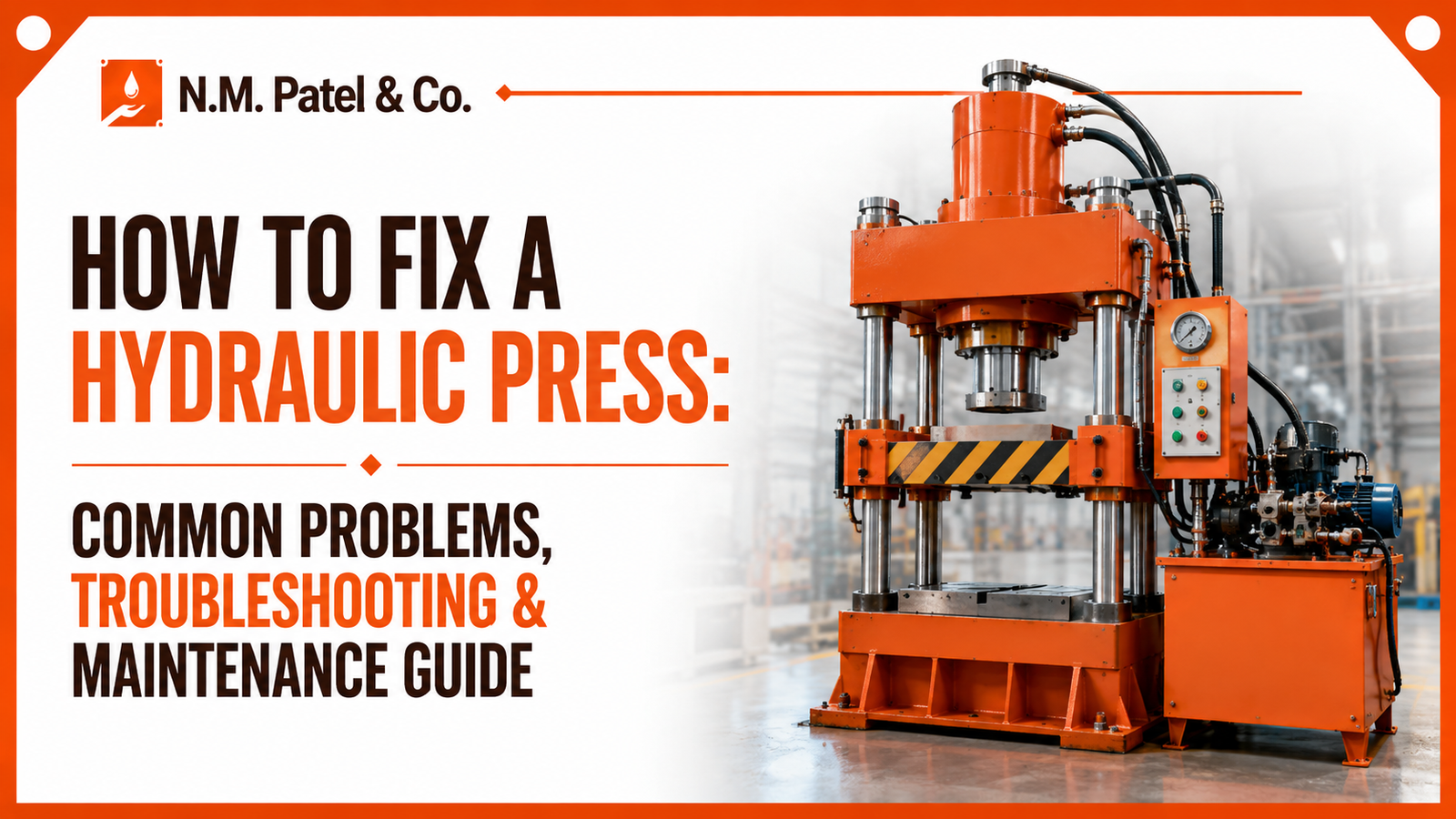
Hydraulic presses are among the most essential machines in manufacturing, metal fabrication, automotive, aerospace, and heavy engineering industries. They deliver high compressive force for applications such as forming, punching, bending, stamping, and assembling components. However, like any industrial equipment, hydraulic presses can develop issues over time due to wear and tear, improper maintenance, hydraulic leaks, contamination, or electrical faults.
A malfunctioning hydraulic press can lead to costly downtime, reduced productivity, safety risks, and expensive repairs if problems are not addressed promptly. Understanding how to identify and troubleshoot common hydraulic press issues can help businesses minimize disruptions and extend the life of their equipment.
In this guide, you’ll learn how hydraulic presses work, the most common problems they encounter, and the first steps to diagnose and resolve issues safely. Whether you’re a maintenance engineer, plant manager, or machine operator, these practical insights will help you keep your hydraulic press operating efficiently.
Quick Answer
To fix a hydraulic press, first identify the root cause by inspecting the hydraulic fluid level, checking for leaks, testing system pressure, examining seals, hoses, valves, and electrical components, and verifying pump performance. Most issues can be resolved through proper troubleshooting, preventive maintenance, or replacing worn components before they cause major system failures.
Key Takeaways
- Hydraulic press failures usually originate from hydraulic, electrical, or mechanical issues.
- Regular preventive maintenance significantly reduces downtime.
- Hydraulic fluid contamination is one of the leading causes of system failure.
- Early diagnosis helps avoid expensive repairs.
- Always follow proper safety procedures before servicing industrial equipment.
- Professional servicing is recommended for major hydraulic system repairs.
What Is a Hydraulic Press?
A hydraulic press is an industrial machine that uses pressurized hydraulic fluid to generate powerful compressive force for shaping, forming, bending, punching, stamping, and assembling materials. It operates according to Pascal’s Law, which states that pressure applied to a confined fluid is transmitted equally in all directions.
Hydraulic presses are widely used because they deliver:
- High pressing force
- Precise control
- Smooth operation
- Energy-efficient performance
- Consistent production quality
Industries using hydraulic presses include:
- Automotive manufacturing
- Aerospace
- Metal fabrication
- Plastic molding
- Construction equipment
- Heavy engineering
- Electrical component manufacturing
Depending on production requirements, hydraulic presses are available in various capacities ranging from small workshop machines to heavy-duty industrial systems capable of producing thousands of tons of force.
How Does a Hydraulic Press Work?
A hydraulic press works by using a hydraulic pump to push pressurized oil through valves and cylinders. The pressure moves the piston, which generates the force required to compress, shape, or assemble materials with exceptional precision and power.
The basic operating cycle includes:
1. Hydraulic Pump
The pump draws hydraulic oil from the reservoir and creates pressure.
2. Control Valves
Valves regulate the direction, speed, and pressure of hydraulic fluid.
3. Hydraulic Cylinder
The pressurized fluid pushes the piston inside the cylinder.
4. Ram Movement
The piston drives the ram downward to apply force on the workpiece.
5. Return Stroke
After completing the operation, hydraulic pressure is released, and the ram returns to its original position.
Main Components of a Hydraulic Press
| Component | Function |
| Hydraulic Pump | Generates hydraulic pressure |
| Oil Reservoir | Stores hydraulic fluid |
| Hydraulic Cylinder | Produces pressing force |
| Piston/Ram | Applies force to the material |
| Pressure Relief Valve | Prevents excessive pressure |
| Hydraulic Hoses | Transfer hydraulic oil |
| Control Valves | Control movement and pressure |
| Electric Motor | Powers the hydraulic pump |
Understanding these components makes troubleshooting much easier when problems occur.
Common Hydraulic Press Problems
Most hydraulic press failures are caused by low hydraulic pressure, oil leaks, contaminated fluid, damaged seals, worn pumps, electrical faults, overheating, or blocked hydraulic lines. Identifying these symptoms early helps prevent costly machine downtime and major repairs.
Below are the most common issues found in industrial hydraulic presses.
1. Hydraulic Press Not Building Pressure
One of the most common issues is insufficient hydraulic pressure.
Possible Causes
- Low hydraulic oil level
- Air trapped inside the hydraulic system
- Worn hydraulic pump
- Pressure relief valve malfunction
- Internal cylinder leakage
- Damaged seals
Common Symptoms
- Weak pressing force
- Slow ram movement
- Incomplete pressing cycle
- Pressure gauge showing low readings
2. Hydraulic Oil Leaks
Hydraulic oil leakage not only reduces efficiency but also creates safety hazards.
Common Leak Locations
- Hydraulic hoses
- Cylinder seals
- Pipe fittings
- Pumps
- Control valves
- Oil reservoir connections
Signs of Leakage
- Oil on the floor
- Falling oil levels
- Reduced pressure
- Sluggish machine performance
3. Slow Ram Movement
If the ram moves slower than normal, productivity decreases significantly.
Possible reasons include:
- Dirty hydraulic filters
- Low oil viscosity
- Worn pump
- Restricted oil flow
- Air inside the hydraulic lines
- Blocked valves
4. Hydraulic Press Overheating
Excessive heat shortens the lifespan of hydraulic components.
Common Causes
- Low oil level
- Dirty cooling system
- Overloaded machine
- Poor oil quality
- Continuous operation without cooling
- Internal hydraulic leakage
Warning Signs
- High oil temperature
- Burnt oil smell
- Reduced machine performance
- Frequent shutdowns
5. Excessive Noise
Unusual noises often indicate developing hydraulic problems.
Common causes include:
- Cavitation
- Air in hydraulic oil
- Loose pump couplings
- Worn bearings
- Pump damage
- Low hydraulic fluid
6. Hydraulic Cylinder Drift
Cylinder drift occurs when the ram slowly moves even without command.
Possible reasons:
- Internal seal failure
- Valve leakage
- Damaged piston seals
- Worn hydraulic cylinder
7. Electrical Control Problems
Modern hydraulic presses include PLCs, sensors, and electrical controls.
Electrical issues may involve:
- Blown fuses
- Loose wiring
- Sensor failure
- Faulty limit switches
- PLC programming errors
- Motor overload
How to Diagnose Hydraulic Press Issues
Proper diagnosis begins with a systematic inspection of the hydraulic, mechanical, and electrical systems. By checking fluid levels, pressure readings, leaks, filters, hoses, pumps, cylinders, and electrical controls, technicians can accurately identify the root cause before attempting repairs.
Follow this step-by-step inspection process.
Step 1: Perform a Visual Inspection
Look for obvious signs of damage.
Inspect:
- Oil leaks
- Broken hoses
- Loose fittings
- Damaged wiring
- Cracked cylinders
- Bent machine parts
Many issues can be identified during a simple visual inspection before using diagnostic tools.
Step 2: Check Hydraulic Oil
Hydraulic oil should be:
- Clean
- At the correct level
- Free from contamination
- Proper viscosity
- Without metal particles
Dirty or degraded oil is one of the leading causes of hydraulic system failures.
Step 3: Measure Hydraulic Pressure
Use a calibrated pressure gauge to compare system pressure with the manufacturer’s specifications.
Low pressure may indicate:
- Pump wear
- Valve issues
- Internal leaks
- Air in the system
High pressure may suggest blocked valves or restricted flow.
Step 4: Inspect Filters
Blocked hydraulic filters restrict oil flow and reduce machine performance.
Replace filters if:
- Excessively dirty
- Damaged
- Past recommended service intervals
Step 5: Inspect the Pump
The hydraulic pump should operate smoothly without excessive vibration or abnormal noise.
Signs of pump failure include:
- Pressure fluctuations
- Loud whining sounds
- Low oil flow
- Excessive heat generation
Hydraulic Press Troubleshooting Guide
| Problem | Possible Cause | Recommended Solution |
| Low Pressure | Low oil, worn pump, leaking seals | Refill oil, replace pump or seals |
| Oil Leakage | Damaged hoses or seals | Replace leaking components |
| Slow Ram Movement | Dirty filters, blocked valves | Clean filters and inspect valves |
| Overheating | Low oil, overloaded system | Check oil level and cooling system |
| Excessive Noise | Air in system, pump wear | Bleed air and inspect pump |
| Cylinder Drift | Worn piston seals | Replace cylinder seals |
| Machine Won’t Start | Electrical fault | Inspect wiring, motor, and control panel |
| Uneven Pressing | Misalignment or low pressure | Realign machine and test hydraulic system |
Step-by-Step Guide to Fix a Hydraulic Press
Fixing a hydraulic press requires a systematic approach that begins with safety precautions, followed by diagnosing the root cause, inspecting hydraulic and electrical components, repairing or replacing faulty parts, and testing the machine before returning it to production. Never replace components without first identifying the actual cause of the problem.
Step 1: Turn Off the Machine and Follow Lockout/Tagout (LOTO)
Before beginning any repair work:
- Shut down the hydraulic press.
- Disconnect the electrical power supply.
- Release all hydraulic pressure.
- Apply Lockout/Tagout (LOTO) procedures.
- Wear appropriate PPE, including safety glasses, gloves, and safety shoes.
Why it matters: Hydraulic systems can retain pressure even after the machine is turned off. Failing to release stored energy can result in serious injury.
Step 2: Inspect Hydraulic Oil
Hydraulic oil is the lifeblood of the system. Poor-quality or contaminated oil can cause pump wear, valve sticking, overheating, and reduced machine performance.
Check for:
- Low oil level
- Dirty or dark-colored oil
- Water contamination
- Air bubbles
- Metal particles
- Burnt smell
Solution:
- Refill with the manufacturer’s recommended hydraulic oil.
- Replace contaminated oil.
- Flush the system if severe contamination is found.
Step 3: Repair Hydraulic Leaks
Leaks reduce pressure and increase operating costs.
Inspect:
- Hydraulic hoses
- Pipe fittings
- Hydraulic cylinders
- Pump seals
- O-rings
- Valve connections
Repair Actions:
- Tighten loose fittings.
- Replace damaged hoses.
- Install new seals and O-rings.
- Replace cracked fittings or pipes.
Tip: Never ignore small leaks, as they often become major failures over time.
Step 4: Replace Worn Seals
Damaged seals are a leading cause of pressure loss and cylinder drift.
Signs that seals need replacement:
- Oil leakage around the cylinder
- Loss of pressing force
- Slow ram movement
- Cylinder drift
Always use high-quality replacement seals compatible with your hydraulic press model.
Step 5: Clean or Replace Hydraulic Filters
Dirty filters restrict oil flow and reduce efficiency.
Replace filters if:
- Pressure drop is excessive.
- Filters are clogged.
- Maintenance interval has been exceeded.
Installing new filters improves oil circulation and protects pumps and valves.
Step 6: Test the Hydraulic Pump
The hydraulic pump generates the pressure required for the press to operate.
Symptoms of Pump Failure:
- Low system pressure
- Loud whining noise
- Slow machine operation
- Pressure fluctuations
- Overheating
Repair Options:
- Repair damaged internal components.
- Replace worn gears or vanes.
- Install a new pump if repair is not economical.
Step 7: Inspect Control Valves
Hydraulic control valves regulate pressure and fluid direction.
Common issues include:
- Sticking valves
- Internal leakage
- Blocked passages
- Worn valve spools
Clean or replace defective valves to restore proper hydraulic flow.
Step 8: Inspect Electrical Components
Modern hydraulic presses rely on electrical controls for safe and accurate operation.
Inspect:
- PLC system
- Control panel
- Sensors
- Limit switches
- Wiring
- Contactors
- Motor overload relays
Replace damaged electrical components and verify all safety interlocks before restarting the machine.
Step 9: Bleed Air from the Hydraulic System
Air trapped in hydraulic lines can cause:
- Jerky ram movement
- Reduced pressure
- Excessive noise
- Poor machine performance
Follow the manufacturer’s bleeding procedure to remove trapped air and restore smooth operation.
Step 10: Test the Machine
After completing repairs:
- Start the hydraulic press.
- Monitor system pressure.
- Check for leaks.
- Run several test cycles.
- Verify ram alignment and speed.
- Confirm normal operating temperature.
Only return the machine to production after all systems perform correctly.
Preventive Maintenance Tips
Preventive maintenance helps identify wear before it becomes a failure, reducing downtime, extending equipment life, and improving overall productivity. A scheduled maintenance program is far more cost-effective than emergency repairs.
Daily Maintenance
- Check hydraulic oil level.
- Inspect for leaks.
- Clean the machine.
- Monitor unusual noises.
- Verify pressure readings.
Weekly Maintenance
- Inspect hoses and fittings.
- Clean filters if applicable.
- Tighten loose bolts.
- Check electrical connections.
- Inspect ram alignment.
Monthly Maintenance
- Inspect hydraulic cylinders.
- Test safety devices.
- Examine valves and pumps.
- Lubricate moving components.
- Review operating pressure.
Quarterly Maintenance
- Replace hydraulic filters.
- Test hydraulic fluid quality.
- Inspect the cooling system.
- Check pump efficiency.
- Verify machine calibration.
Annual Maintenance
- Replace hydraulic oil if recommended.
- Inspect the complete hydraulic system.
- Replace worn seals and hoses.
- Test the electrical control system.
- Conduct a comprehensive safety inspection.
Hydraulic Press Preventive Maintenance Checklist
| Maintenance Task | Daily | Weekly | Monthly | Quarterly | Annually |
| Check oil level | ✓ | ||||
| Inspect leaks | ✓ | ✓ | |||
| Clean machine | ✓ | ||||
| Check filters | ✓ | ✓ | |||
| Inspect hoses | ✓ | ✓ | |||
| Test pressure | ✓ | ✓ | |||
| Inspect pump | ✓ | ✓ | |||
| Replace hydraulic oil | ✓ | ||||
| Replace worn seals | ✓ | ||||
| Full machine inspection | ✓ |
Hydraulic Press Safety Guidelines
Safe maintenance practices protect workers and prevent equipment damage. Hydraulic systems operate under extremely high pressure, making proper safety procedures essential during inspection and repair.
Always:
- Follow Lockout/Tagout procedures.
- Wear appropriate PPE.
- Use manufacturer-approved replacement parts.
- Release hydraulic pressure before opening the system.
- Keep the work area clean.
- Never exceed the machine’s rated capacity.
- Inspect lifting equipment before handling heavy components.
- Record all maintenance activities for future reference.
Common Repair Mistakes to Avoid
Many hydraulic press failures become more severe because of incorrect repair practices. Avoiding common mistakes helps reduce downtime, improve safety, and extend equipment life.
1. Ignoring Small Oil Leaks
Minor leaks often indicate worn seals or loose fittings. Delaying repairs can lead to pressure loss and component failure.
2. Using the Wrong Hydraulic Oil
Different hydraulic presses require specific oil grades and viscosities. Using the wrong oil can reduce lubrication, increase wear, and affect system performance.
3. Replacing Parts Without Diagnosis
Replacing pumps, valves, or cylinders without identifying the root cause increases repair costs and may not solve the problem.
4. Skipping Preventive Maintenance
Waiting for equipment to fail instead of following a maintenance schedule often results in unexpected downtime and higher repair expenses.
5. Ignoring Filter Replacement
Dirty filters allow contaminants to circulate through the hydraulic system, causing premature wear of pumps, valves, and cylinders.
Repair vs. Replace: When Should You Upgrade Your Hydraulic Press?
The decision to repair or replace a hydraulic press depends on factors such as repair costs, machine age, availability of spare parts, energy efficiency, and production requirements.
| Situation | Recommended Action |
| Minor hydraulic leak | Repair |
| Worn seals | Repair |
| Dirty hydraulic oil | Repair |
| Damaged hose | Repair |
| Faulty valve | Repair |
| Worn hydraulic pump | Repair or Replace (depending on cost) |
| Frequent breakdowns | Consider Replacement |
| Obsolete machine with unavailable spare parts | Replace |
| High maintenance costs every year | Replace |
| Increased production demand | Upgrade to a newer model |
Rule of Thumb: If annual repair costs are consistently high and downtime impacts production, investing in a modern hydraulic press can provide better long-term value through improved efficiency and reliability.
Why Choose N.M. Patel & Co.?
N.M. Patel & Co. is a trusted manufacturer of industrial hydraulic and filtration equipment, providing reliable engineering solutions, quality machinery, and responsive technical support for businesses across multiple industries.
Our Expertise
High-Performance Hydraulic Equipment
We design and manufacture industrial machines built for durability, precision, and long service life.
Expert Technical Support
Our experienced engineers assist customers with:
- Machine troubleshooting
- Preventive maintenance
- Performance optimization
- Technical consultation
Genuine Spare Parts
We supply high-quality components that help maintain machine performance and reduce unexpected downtime.
Customized Engineering Solutions
Every manufacturing process is different. We provide tailored solutions designed to match your production requirements.
After-Sales Service
Our commitment continues after installation with maintenance guidance, spare parts support, and technical assistance to keep your operations running smoothly.
Frequently Asked Questions (FAQs)
1. What is the most common hydraulic press problem?
Low hydraulic pressure is one of the most common hydraulic press issues. It is often caused by low oil levels, worn pumps, leaking seals, contaminated fluid, or faulty pressure relief valves.
2. How often should hydraulic oil be replaced?
The replacement interval depends on the manufacturer’s recommendations and operating conditions. Regular oil analysis and scheduled maintenance help determine the ideal replacement time.
3. Why is my hydraulic press losing pressure?
Pressure loss can result from hydraulic leaks, damaged seals, worn pumps, faulty valves, air trapped in the system, or contaminated hydraulic fluid. A systematic inspection is necessary to identify the exact cause.
4. Can I repair a hydraulic press myself?
Basic maintenance tasks such as checking oil levels, replacing filters, or tightening fittings can often be performed by trained personnel. However, major hydraulic or electrical repairs should be handled by qualified technicians to ensure safety and reliability.
5. How can I extend the life of my hydraulic press?
Regular preventive maintenance, timely replacement of worn components, proper hydraulic oil management, routine inspections, and adherence to the manufacturer’s operating guidelines are key to maximizing the lifespan of a hydraulic press.
Keep Your Hydraulic Press Running at Peak Performance
Unexpected breakdowns can disrupt production, increase maintenance costs, and reduce profitability. With the right maintenance strategy and expert support, you can improve machine reliability and maximize operational efficiency.
Looking for reliable hydraulic press solutions or technical guidance? Contact N.M. Patel & Co. today to discuss your maintenance, repair, or equipment requirements with our engineering experts.
Conclusion
Hydraulic presses are critical assets in modern manufacturing, and their performance depends on proper maintenance, timely troubleshooting, and quality repairs. Most common issues—such as pressure loss, oil leaks, slow ram movement, and overheating—can be resolved through systematic diagnosis and preventive maintenance.
By following best practices and partnering with experienced equipment specialists, businesses can reduce downtime, extend machine life, and maintain consistent production quality. Whether you need expert advice, replacement components, or new industrial equipment, N.M. Patel & Co. is committed to delivering dependable solutions that support your long-term operational success.