






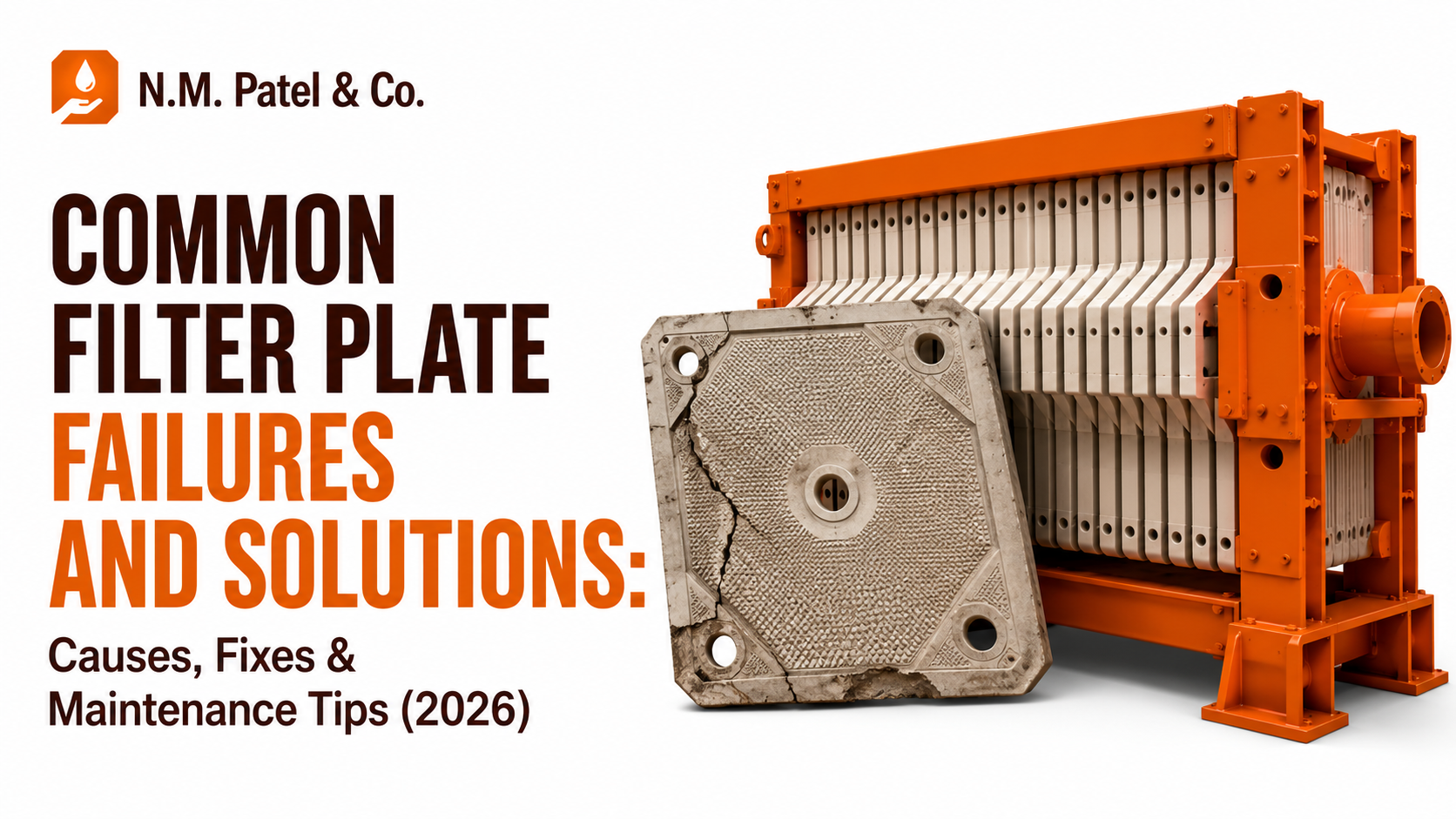
Filter plates are one of the most important components of a filter press machine. They play a critical role in separating solids from liquids by creating filtration chambers where slurry is processed. However, continuous operation, improper maintenance, excessive pressure, and incorrect handling can lead to filter plate failures.
Damaged filter plates can reduce filtration efficiency, increase operating costs, create production delays, and affect the overall performance of industrial filtration systems.
Understanding common filter plate problems and their solutions helps industries prevent unexpected breakdowns, improve machine reliability, and extend the service life of filter press equipment.
Quick Answer
Common filter plate failures include cracks, deformation, leakage, broken edges, damaged sealing surfaces, and clogged filtration areas. These problems usually occur due to excessive pressure, improper installation, chemical corrosion, poor maintenance, or incorrect operation. Regular inspection, proper cleaning, and timely replacement of damaged plates help maintain efficient filter press performance.
Key Takeaways
- Filter plate damage can reduce filtration efficiency.
2. Excessive pressure is one of the major causes of plate failure.
3. Regular cleaning and inspection prevent costly breakdowns.
4. Proper handling increases filter plate lifespan.
5. Choosing high-quality filter plates improves machine reliability.
Table of Contents
- What Is a Filter Plate?
- Why Do Filter Plates Fail?
- Common Filter Plate Failures and Their Solutions
- Filter Plate Failure Prevention Tips
- High Quality vs Poor Quality Filter Plates
- How to Choose the Right Filter Plate?
- Why Choose N.M. Patel & Co.?
- FAQs
What Is a Filter Plate?
Quick Answer
A filter plate is a key component of a filter press machine that holds filter cloths and creates filtration chambers for separating solids from liquids. During operation, slurry enters these chambers under pressure, allowing liquid to pass through while solid particles form a filter cake.
Types of Filter Plates
Common types of filter plates include:
- Recessed chamber plates
- Membrane filter plates
- Plate and frame filter plates
- PP (Polypropylene) filter plates
- Cast iron filter plates
Each type is selected based on filtration requirements, pressure levels, and industry applications.
Why Do Filter Plates Fail?
Quick Answer
Filter plates usually fail because of excessive operating pressure, chemical attack, poor maintenance, improper installation, mechanical damage, or incorrect handling. Identifying these causes early helps industries prevent filtration problems and maintain consistent filter press performance.
Common Causes of Filter Plate Damage
- Excessive filtration pressure
- Incorrect plate alignment
- Chemical corrosion
- Improper cleaning methods
- High operating temperature
- Physical impact during handling
- Aging of filter plates
- Poor quality materials
- Incorrect filter cloth installation
Common Filter Plate Failures and Solutions
1. Cracked Filter Plates
Problem:
Cracks are one of the most serious filter plate failures. Cracked plates can cause slurry leakage, pressure loss, and inefficient filtration.
Common Causes:
- Excessive hydraulic pressure
- Sudden pressure increase
- Low-quality plate material
- Improper handling
Solution:
✔ Operate within recommended pressure limits
✔ Replace damaged plates immediately
✔ Use high-quality filter plates
✔ Perform regular inspections
2. Filter Plate Leakage
Problem:
Leakage occurs when slurry escapes between filter plates during operation.
Causes:
- Damaged sealing edges
- Improper plate alignment
- Dirty sealing surfaces
- Worn filter cloth
Solution:
✔ Clean plate sealing areas
✔ Check plate alignment
✔ Replace damaged seals
✔ Install proper filter cloth
3. Filter Plate Deformation
Problem:
Deformed plates cannot maintain proper chamber formation, reducing filtration efficiency.
Causes:
- Excessive pressure
- High temperature operation
- Uneven pressure distribution
Solution:
✔ Maintain correct operating pressure
✔ Check hydraulic system performance
✔ Replace permanently deformed plates
4. Damaged Sealing Surface
Problem:
The sealing surface prevents liquid leakage between plates. Damage can cause filtration failure.
Causes:
- Improper cleaning tools
- Mechanical impact
- Chemical corrosion
Solution:
✔ Avoid harsh cleaning methods
✔ Use compatible chemicals
✔ Replace damaged sealing surfaces
5. Blocked Filtration Channels
Problem:
Blocked channels reduce filtration speed and increase cycle time.
Causes:
- Poor cleaning
- Incorrect slurry preparation
- Excessive solid buildup
Solution:
✔ Clean plates regularly
✔ Maintain proper slurry concentration
✔ Inspect filtration passages
6. Broken Filter Plate Handles or Edges
Problem:
Physical damage to plate handles or edges affects handling and machine operation.
Causes:
- Rough handling
- Incorrect installation
- Transportation damage
Solution:
✔ Handle plates carefully
✔ Use proper installation methods
✔ Replace damaged components
Filter Plate Failure Prevention Tips
Quick Answer
Preventive maintenance is the best way to avoid filter plate failures. Regular inspection, correct operating pressure, proper cleaning, and using quality components can significantly increase filter plate life and reduce unexpected machine downtime.
Maintenance Best Practices
1. Regular Inspection
Check plates regularly for:
- Cracks
- Leakage
- Wear marks
- Deformation
2. Proper Cleaning
Remove:
- Sludge deposits
- Chemical residues
- Solid buildup
3. Maintain Correct Pressure
Avoid operating beyond manufacturer recommendations.
4. Use Compatible Filter Cloth
Incorrect filter cloth can increase pressure and damage plates.
5. Replace Damaged Plates Quickly
Early replacement prevents further machine damage.
High Quality vs Poor Quality Filter Plates
Quick Answer
High-quality filter plates provide better durability, filtration efficiency, and resistance to pressure and chemicals. Poor-quality plates fail faster, increase maintenance costs, and reduce filter press performance.
| High Quality Filter Plates | Poor Quality Filter Plates |
| High durability | Frequent damage |
| Better pressure resistance | Cracking issues |
| Longer service life | Short replacement cycles |
| Improved filtration | Lower efficiency |
| Reduced maintenance cost | Higher operating expenses |
How to Choose the Right Filter Plate?
Quick Answer
Selecting the correct filter plate depends on filtration pressure, slurry characteristics, chemical compatibility, temperature requirements, and application type. The right plate improves filtration performance and reduces maintenance problems.
Factors to Consider
- Material quality
- Operating pressure
- Temperature resistance
- Chemical compatibility
- Plate size
- Filtration capacity
- Machine compatibility
Why Choose N.M. Patel & Co.?
Quick Answer
N.M. Patel & Co. provides reliable filter press components and filtration solutions designed for industrial applications. With quality manufacturing, technical expertise, and customized solutions, the company helps industries improve filtration efficiency and reduce equipment downtime.
Why Industries Choose N.M. Patel & Co.
1.High-quality filter press solutions
2. Durable filter plates
3. Customized filtration systems
4. Industrial expertise
5. Technical support
6. Reliable after-sales service
7. Post-effective solutions
N.M. Patel & Co. helps industries maintain efficient filtration operations with dependable products and expert guidance.
Frequently Asked Questions
What are the most common filter plate failures?
Common failures include cracks, leakage, deformation, damaged sealing surfaces, clogged channels, and broken edges.
Why do filter press plates crack?
Filter plates usually crack due to excessive pressure, improper operation, poor-quality materials, or mechanical damage.
How can filter plate life be increased?
Regular cleaning, proper maintenance, correct pressure operation, and timely inspections help extend filter plate life.
When should a filter plate be replaced?
A filter plate should be replaced when it has cracks, permanent deformation, severe leakage, or reduced filtration performance.
How do I prevent filter press plate problems?
Prevent problems through preventive maintenance, proper operation, quality components, and regular machine inspections.
Ready to Improve Your Filter Press Performance?
A properly maintained filter press system delivers better filtration efficiency, lower downtime, and reduced operating costs.
N.M. Patel & Co. provides reliable filter press solutions and components designed to improve industrial filtration performance.
Contact N.M. Patel & Co. today for expert filter press solutions and maintenance support.
Conclusion
Filter plate failures can significantly affect industrial filtration performance, increase maintenance costs, and reduce productivity. Understanding common problems such as cracks, leakage, deformation, and blockages allows industries to take preventive action.
Regular maintenance, correct operation, and selecting high-quality filter plates are essential for achieving long-term filter press reliability.
N.M. Patel & Co. offers dependable filtration solutions that help industries maintain efficient operations and maximize equipment performance.